


In the fitness world, we usually talk about “getting in shape.” But at iwill.health, I prefer a term used by the World Health Organization (WHO): Intrinsic Capacity [1].
It’s a bigger, more useful way to look at our health because it accounts for the whole person, not just a number on a scale. It shifts the conversation from how we look to how we function and, more importantly, how we endure.
More Than a PR: Your Biological Reserve
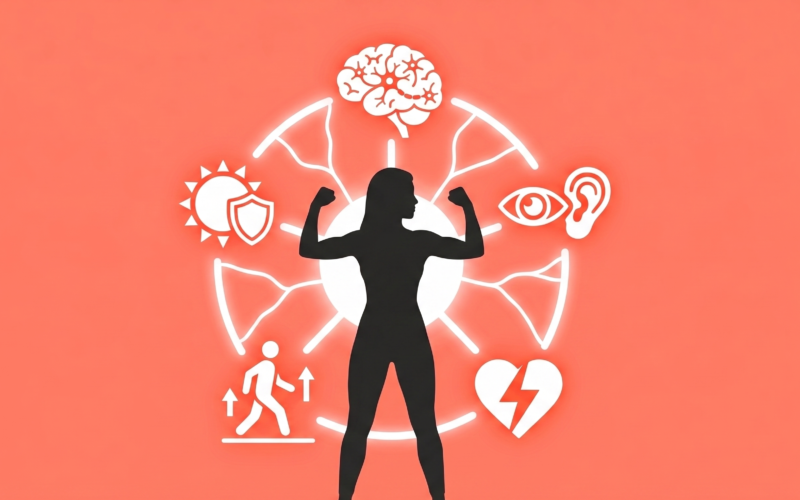
When your reserve is high, you don’t just survive challenges; you bounce back from them. According to the WHO, this capacity is made up of five key domains [1, 2]:
Locomotion: Your ability to move, balance, and maintain muscle strength.
Cognition: Your mental sharpness, memory, and ability to process information.
Psychological: Your emotional vitality, mood, and resilience against stress.
Sensory: The health of your vision and hearing, which keeps you connected to your environment.
Vitality: Your underlying metabolic and nutritional health—the “engine” that powers everything else.
More Than a PR: Your Biological Reserve
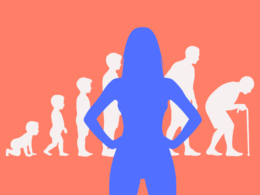
Research shows that Intrinsic Capacity naturally peaks in early adulthood and begins a gradual decline. However, the rate of that decline is highly manageable [3]. By monitoring these five domains, we can identify “leaks” in our capacity before they turn into a crisis of frailty. For example, a decline in gait speed (locomotion) is often a predictor of future cognitive shifts, showing how interconnected these domains truly are [4].
Intrinsic Capacity is the sum of all your physical and mental powers. Think of it as your “biological reserve”—the internal savings account that allows you to recover from a major surgery (like I did in 2022) or handle the high-stress demands of midlife without your health collapsing.
The Strategy for 2060: How to Build Your Reserve
When we train for longevity, we aren’t just training for “fitness.” We are training to keep our Intrinsic Capacity as high as possible for as long as possible. Here is how we apply the WHO framework to our daily habits:
Rest to protect Psychological Health: Stress management and quality sleep aren’t “luxuries”; they are the primary ways we prevent the “Vitality” domain from being depleted by cortisol.
Move to protect Locomotion: Prioritize strength training and “power” movements. This isn’t just about muscles; it’s about the neurological connection between your brain and your limbs that prevents falls [2].
Challenge Balance to protect Cognition: Complex movement—like yoga, trail running, or agility drills—requires the brain to map the body in space, which supports cognitive health and neuroplasticity [4].
Eat to protect Vitality: Focus on nutrient density and protein to support metabolic health. Your nutritional status is the fuel source for your biological reserve [3].
The Bottom Line
I’m building my reserve for the long haul. My goal is to help you do the same, creating a life where you aren’t just “getting by,” but moving through the decades with power and purpose. We are training today for the version of ourselves we want to be in 2060.
Every workout, every nutrient-dense meal, and every moment of intentional rest is a deposit into that account. Let’s grow together.
Sources & References

    [1] World Health Organization (WHO): Integrated Care for Older People (ICOPE) - Introduction to Intrinsic Capacity

    [2] The Lancet Healthy Longevity (2025): Intrinsic capacity: a new concept for the 21st century

    [3] Journal of Cachexia, Sarcopenia and Muscle (2024): Relationship between nutrition and intrinsic capacity in aging populations

    [4] Age and Ageing (2025): Gait speed and cognitive decline: the "Motoric Cognitive Risk" syndrome within the Intrinsic Capacity framework